Through the Lens: A Day in the Life of a Food Photographer.
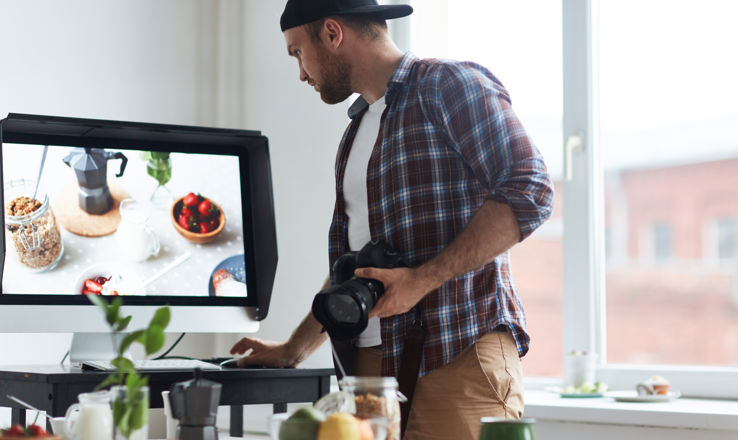
Food photography is an art form that requires much more than just snapping a picture of a plate of food. It's about capturing the textures, colors, and flavors of the food in a way that makes it look irresistible.
Food photographers are experts at lighting, composition, and styling, and they have a keen eye for detail. In this post, we will take you behind the scenes to spend a day in the life of a food photographer.
From setting up the shoot to editing the final images, you'll get an inside look at the process of creating mouthwatering food photography. If you're interested in food photography or just want to learn more about this fascinating profession, keep reading!
1. Preparing for the shoot
As a food photographer, preparing for a shoot is just as important as taking the photos themselves. It's important to have a clear vision for the shoot, and this starts with planning out the details beforehand.
One of the first things I do when preparing for a shoot is to research the recipe or dish that will be photographed. This helps me to understand food photographer in dubai the dish's colors, textures, and overall look, which will play a key role in the final images.
Another crucial step in preparing for a shoot is finding the perfect location. I like to choose a location that will complement the dish or recipe being photographed. For example, I may choose a bright and airy kitchen for a light and fresh salad, or a cozy dining room with warm lighting for a hearty stew.
I also consider the background and props for the shoot, making sure they enhance the dish's overall presentation without detracting from it. Once the location is set, I begin setting up the equipment, including lighting, camera, and tripod.
It's important to ensure that the lighting is just right, as this can make or break the final images. I also set up a test shot to make sure everything is in place and as I envisioned it. Lastly, I make sure to have all the necessary tools and accessories on hand, such as reflectors, diffusers, and food styling tools.
These tools will help me to achieve the perfect shot and showcase the dish in the best possible way. With all of these elements in place, I am ready to begin capturing stunning images of delicious food.
2. Styling the food
Styling the food is one of the most important aspects of food photography. A good food photographer knows how to make food look appetizing and irresistible. This involves much more than just putting food on a plate.
The photographer must consider the overall composition of the photo, including the color scheme, the use of props, and the lighting. The first step in styling food is to choose the right plate or platter. The plate should complement the colors of the food, and the size of the plate should be appropriate for the amount of food being photographed.
The photographer should also consider the shape of the plate and how it will work with the composition of the photo. Next, the photographer will add props to the photo. The props should complement the food and add interest to the photo.
For example, a bowl of soup might be photographed with a spoon, a napkin, and a piece of bread. The photographer must be careful not to use props that will detract from the food or make the photo look cluttered. The lighting is another critical aspect of styling food.
The photographer must use lighting to highlight the food's texture and make it look appetizing. This may involve using natural light or artificial light sources, such as studio lights or lamps. The photographer should also consider the angle of the light and how it will affect the shadows and highlights in the photo.
In conclusion, styling the food is a crucial aspect of food photography. A good food photographer knows how to create a beautiful composition that highlights the food's texture and makes it look irresistible.
By choosing the right plate, adding complementary props, and using lighting to enhance the food's appearance, the photographer can create stunning food photos that will make anyone's mouth water.
3. Capturing the perfect shot
Capturing the perfect shot is an essential part of food photography. It's not just about the food itself; it's about the presentation, the lighting, and the angle.
To achieve the best results, we need to pay attention to every detail and create a composition that will convey the message and the mood we want to express.
There is a lot of preparation that goes into getting the perfect food shot. Before we even start taking photographs, we need to set up the backdrop, select the appropriate props, and choose the best lighting.
Once everything is in place, we need to ensure that the food is arranged in an attractive and appealing way. This means considering things like color, texture, and height. We then take multiple shots from different angles and distances to find the best one.
Post-processing is also an essential part of food photography. We adjust the colors, contrast, and brightness to make the final image look as good as possible.
With patience, an eye for detail, and a bit of creativity, we can capture the perfect shot that will make the food look as good as it tastes.
4. Editing the final images
Once a food photography shoot has been completed, the next step is to edit the photos. Editing is an essential aspect of food photography, and it can make a significant difference in the final result.
The editing process may involve a few or many steps, depending on the look you want to achieve. Typically, the editing process includes cropping the image, adjusting brightness and contrast, color correction, and sharpening the image.
The goal is to make the food look as delicious and appetizing as possible. Editing is a creative process, and it requires a lot of attention to detail. A good food photographer will take the time to carefully edit each image to ensure that it looks its best.
Once the final images have been edited, it is time to deliver them to the client. Most clients prefer to receive high-quality digital images that are ready to use for social media, websites, or print materials.
The final images should accurately represent the food and convey the culinary experience to the viewer.
In
conclusion, editing is a crucial part of food photography, and it is essential
to have an experienced photographer who can capture the beauty and essence of
the food and edit the images to perfection.

Comments
Post a Comment